
Rice County and the Great 1906 San Francisco Earthquake
At 5:12 a.m. on April 18, 1906, San Francisco was struck by one of the most significant earthquakes in U.S. history. Within days—and nearly 1,600 miles away—Rice County residents began following the unfolding tragedy through headlines, letters, and eventually moving pictures.
Northfield, for example, responded quickly. The city council voted to send $100 for relief and encouraged further giving. A box placed at Marshall’s clothing store soon collected $277.44, a remarkable sum for a town of its size. By July, another $120 was sent to California—roughly $18,500 in today’s money.
“I wish you could have seen the eyes fill with tears of gratitude as these people received the money,” wrote the woman who helped distribute the Rice County funds. Her letter made the enormity of the disaster feel suddenly close to home. She described how the donations—collected in jars, boxes, and bank counters—were placed directly into the hands of families who had lost everything. One recipient, a Baptist minister, was living in a tent with his wife and children.
The Earthquake That Shook the West
The quake began with a brief foreshock, followed about twenty seconds later by the main rupture, which shook the region for nearly a minute. Buildings swayed, many collapsed, and fires broke out almost immediately. The shock was strong enough to be felt from southern Oregon to Los Angeles and well into Nevada.
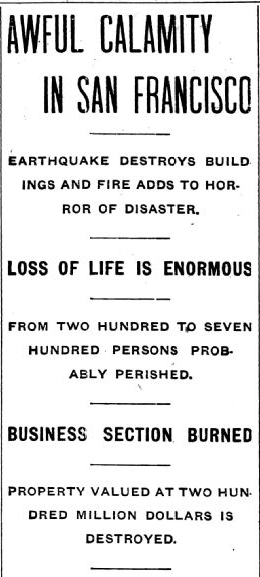
Rice County residents learned of the devastation through weekly papers like the Northfield News, which carried stark headlines: “Awful Calamity in San Francisco… Earthquake Destroys Buildings and Fire Adds to Horror of Disaster.” The article described how “night added to the horror” as flames spread unchecked through the city. With water mains broken, firefighters could do little but watch entire districts burn.
Faribault’s Opera House Brings the Disaster to Life
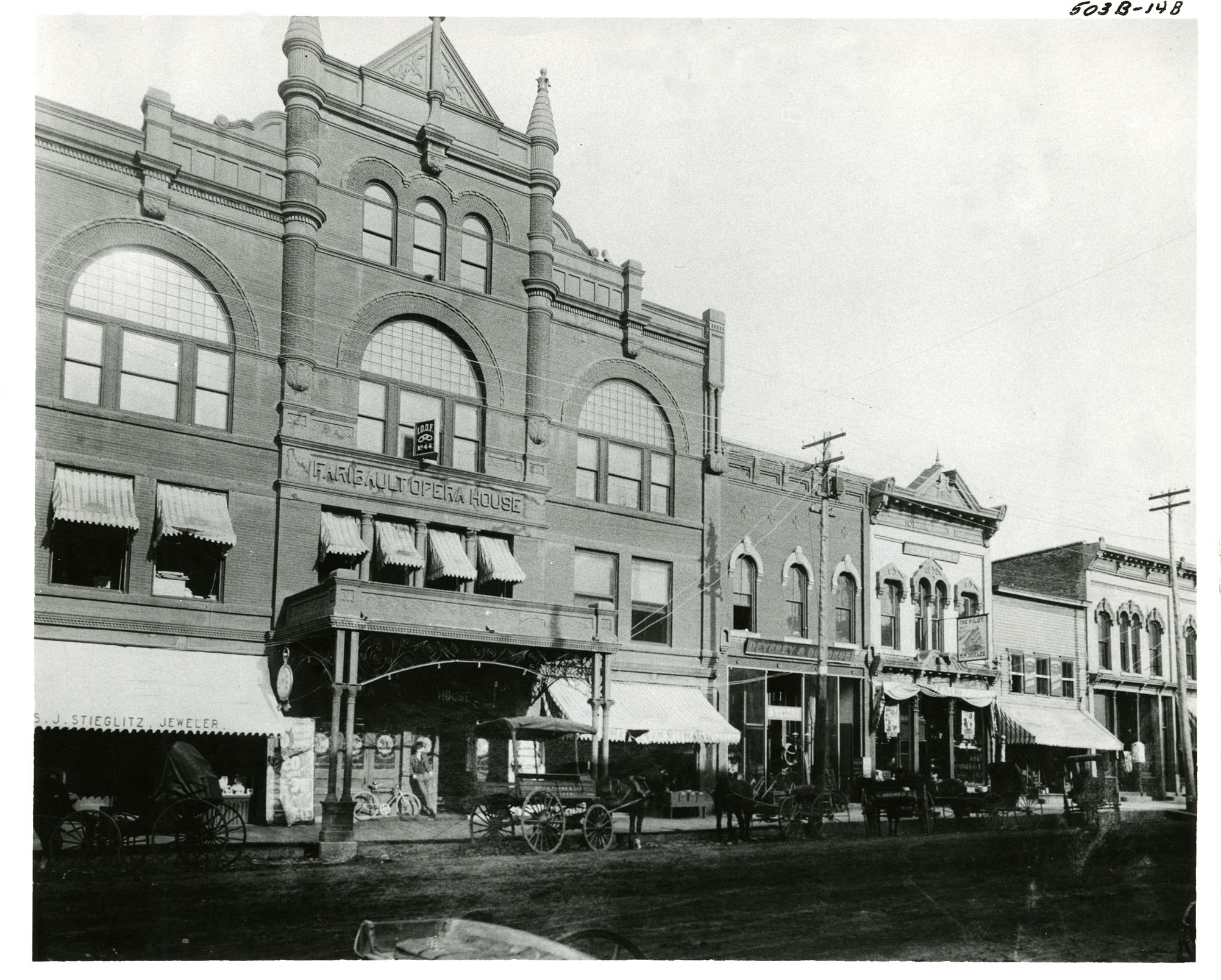
What truly brought the catastrophe into focus for local residents were the “moving pictures” shown at the Faribault opera house on May 16—just weeks after the earthquake. Though Faribault had hosted moving pictures as early as 1899, the idea of seeing real scenes from a distant disaster still felt astonishing.
A simple notice announced the showing: “Moving pictures of the great San Francisco fire at the opera house next Friday evening. Prices 15, 25, and 35 cents.”
When audiences settled into their seats, they weren’t watching entertainment. They were seeing roughly a reel—about ten minutes—of images taken in the immediate aftermath of the quake and the great consuming fire. When the same film played in Minneapolis, the city’s newspaper noted that a viewer could “have some faint realization of the extent and completeness of the ruin… when he sees moving before him block after block, street after street and mile after mile of confused and smoking heaps of brick and stone.”
The black and white pictures were dim, unsteady, and often blurred by the smoke that hung over the city for days. But that rawness made them feel more authentic. Viewers saw families carrying what little they had left, long bread lines, tent camps filling public squares, and crews removing the dead from the ruins. A lecturer stood beside the screen, explaining each scene as it flickered past—sound would not accompany motion pictures until the late 1920s.
For Rice County residents, this was something entirely new—an early version of what later generations would know as newsreels.
Letters From the Ruins
The Northfield News also published a vivid letter from Ole A. Tveitmoe, a former St. Olaf student living in San Francisco, written to his brother‑in‑law Ben Odegaard in Northfield. “No writer, however able, can describe it—no artist can paint it,” he wrote. “I saw the awful panorama for three days and three nights.” He believed the earthquake itself was survivable; it was the fire—“the great fire, greatest on record in the history of the world”—that destroyed the city.
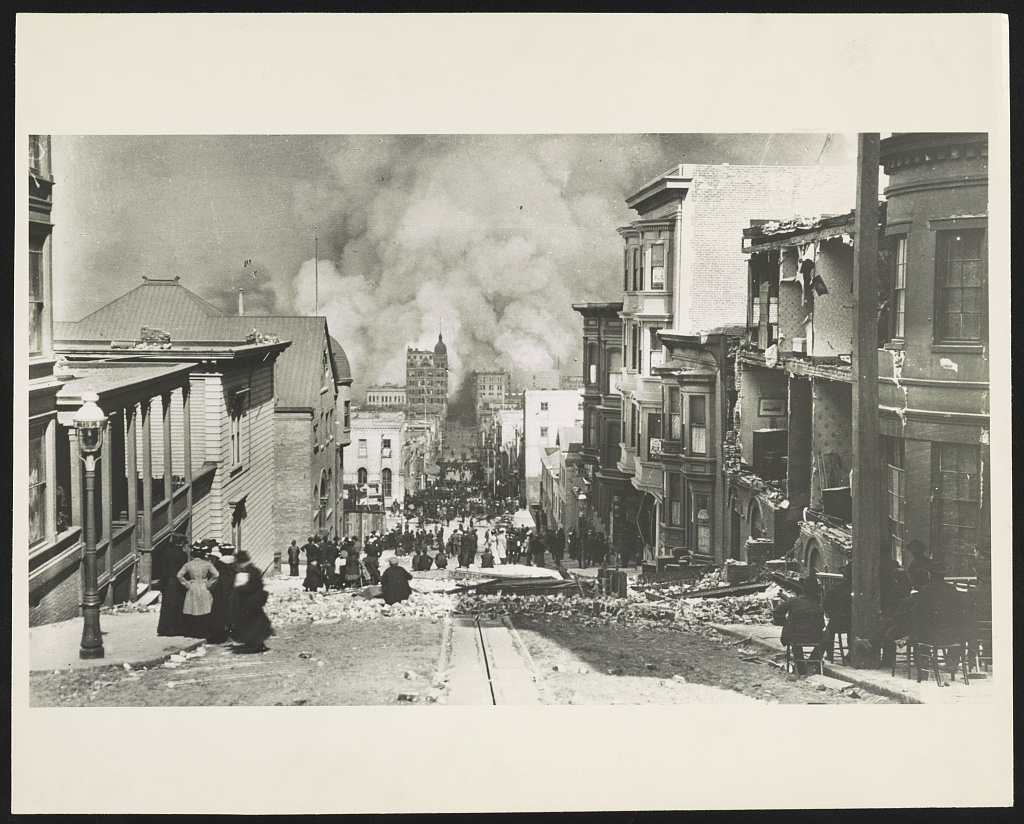
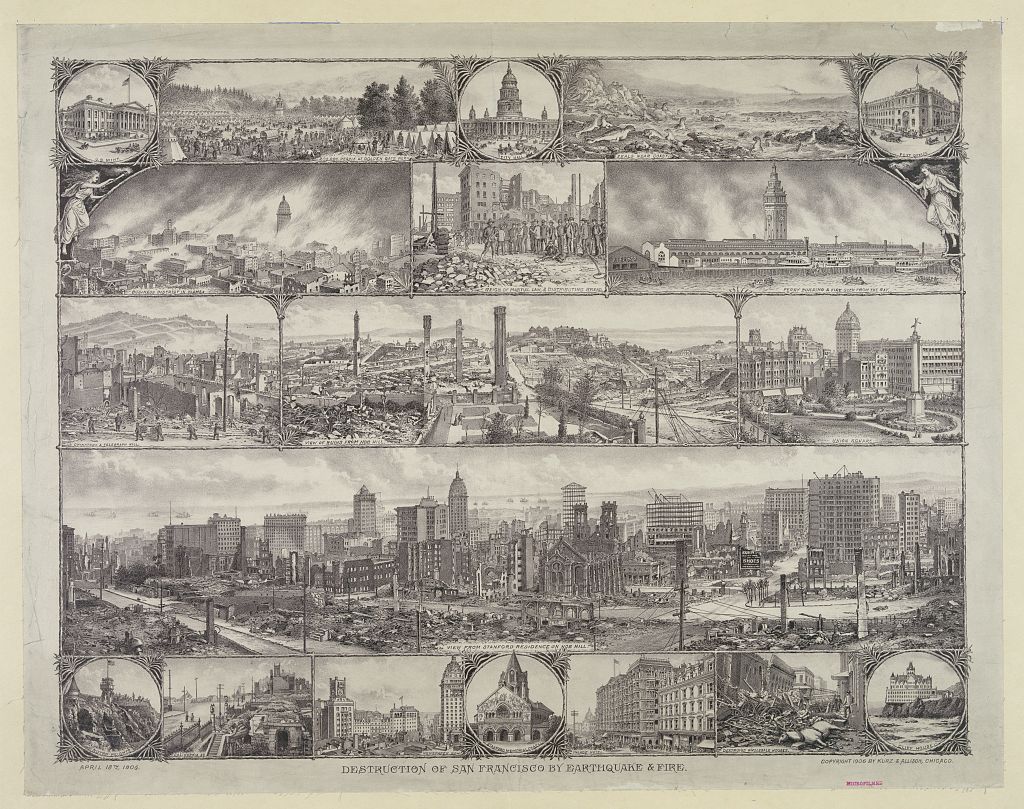
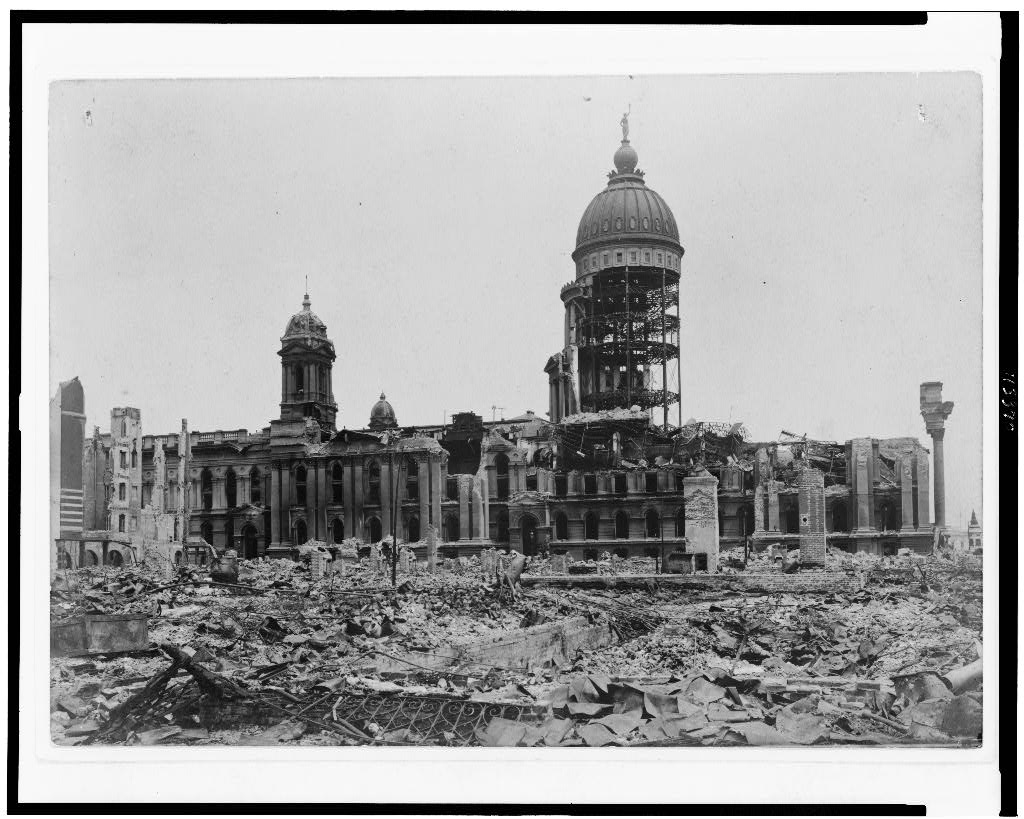
Sharing his account in part, Tveitmoe offered a striking description of the raging fire:
“It broke out in half a dozen places at once. The hungry flames leaped across streets and swept block after block toward the waterfront. The all‑destructive element rushed like a hundred roaring cyclones against the wind into the residence districts, levelling huts and palaces alike to the ground. On Wednesday night and Thursday morning the business and wholesale quarter with its mighty skyscrapers of steel and stone, was one seething furnace. A thousand fiery tongues of gigantic proportions shot into the heavens. It was Dante’s Inferno, hell with the lid off. And the black smoke hung like a death shroud over the city and surrounding country.”
Yet he also described remarkable resilience: wealthy and poor standing together in bread lines, society women and laborers cooking side by side on makeshift stoves. He was certain the city would rise again, “Phoenix‑like … greater and more beautiful.”
–Jeff Sauve, Northfield